
Emulsified Vegetable Oil for In Situ Bioremediation
SDC-9
Bioaugmentation Culture for Groundwater Remediation
SDC-9 is a field-proven bioaugmentation culture designed to complete the anaerobic biodegradation of chlorinated solvents. It contains multiple strains of Dehalococcoides mccartyi (Dhc), the only known organisms capable of fully dechlorinating compounds like PCE and TCE to non-toxic ethene.
For sites where Dhc are absent—or present but underperforming—SDC-9 provides a reliable way to accelerate dechlorination and reach cleanup goals more efficiently.
Why SDC-9
Complete Dechlorination
Provides the Dhc required to fully break down chlorinated solvents to ethene, not just stall at intermediate compounds like cis-DCE or vinyl chloride.
Faster Treatment Progress
Mixed microbial cultures support Dhc growth, reducing lag time and increasing dechlorination rates compared to isolated cultures.
Improved Electron Donor Efficiency
Works synergistically with electron donors, helping convert available substrate into effective dechlorination rather than wasted fermentation.
Performs in Challenging Conditions
Remains active at pH levels as low as 5.5, with optimal performance above 6.0.
Technical Details
How It Works
SDC-9 introduces a complete microbial consortium into the subsurface, including Dhc and supporting organisms that provide essential growth factors and metabolic intermediates.
This coordinated microbial system enables:
- Efficient hydrogen utilization
- Sustained Dhc activity
- Complete reductive dechlorination to ethene
Even at sites with native Dhc, bioaugmentation can significantly improve performance by increasing population density and metabolic efficiency.
Contaminants Treated
Chlorinated Solvents
-
- PCE, TCE
- cis-DCE, trans-DCE, 1,1-DCE
- Vinyl Chloride (VC)
Chlorinated Alkanes & Related Compounds
-
- 1,1,1-TCA, 1,1,2,2-TeCA
- 1,2-DCA
- Carbon Tetrachloride (CT), Chloroform (CF), Dichloromethane (DCM)
Other Compounds
-
- Freon 11, Freon 113
- HCFCs, TFE
Application
SDC-9 is typically injected between rounds of anaerobic water and electron donor to minimize oxygen exposure and improve distribution throughout the treatment zone.
Recommended Dose:
- 1 × 10⁷ Dhc cells per liter in target zones
Key Microbial Components
- Dehalococcoides mccartyi (Dhc)
- Dehalobacter
- Dehalobium chlorocoercia
- Desulfovibrio spp.
- Desulfitobacterium spp.
- Methanogens and sulfate-reducing bacteria
Product Characteristics
- Cell Count: ≥ 1 × 10¹¹ Dhc cells/L
- pH: 6.0 – 8.0
- Density: 0.9 – 1.1 g/cm³
- Appearance: Light greenish, murky liquid
- Odor: Musty
Packaging & Handling
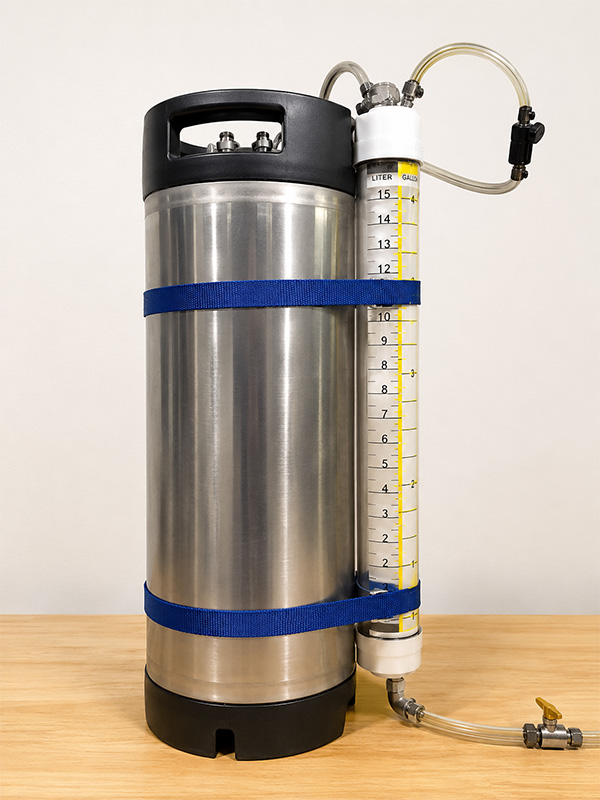
- Shipped in 19 L (5-gallon) stainless steel kegs
- Available in concentrated (up to 10×) formats
- Pressurized with nitrogen and stored chilled
- Requires inert gas (nitrogen or argon) for delivery
Safety
SDC-9 is a naturally occurring, non-toxic, non-pathogenic microbial consortium with no known exposure hazards. Standard PPE is recommended during handling.
Use SDC-9 when:
- Native Dhc are absent or too slow
- Dechlorination stalls at DCE or VC
- You need faster, more reliable site closure
Typically paired with:
- Newman Zone electron donors
- Newman Zone OS for oxygen removal
Need Help Selecting the Right Product?
Talk with our team about your site conditions, contaminants, and treatment approach to determine the right product.